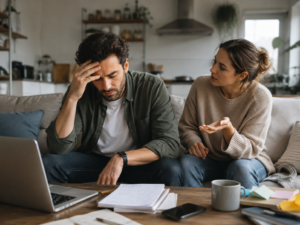

Anxiety is a normal human response, but when it becomes persistent or intense, it can affect many areas of everyday life, including relationships and intimacy. Anxiety may involve excessive worry, difficulty relaxing, poor concentration, sleep problems, and physical tension.
Sexual wellbeing depends partly on feeling safe enough to be present in the moment. When the mind is focused on performance, appearance, fear of judgment, or whether something will “go wrong,” intimacy can begin to feel more like a test than a shared experience.
Emotions such as fear, guilt, shame, embarrassment, and stress can make relaxation and arousal more difficult. Stress and fatigue may also reduce sexual desire.
This can create a cycle: anxiety affects intimacy, the resulting sexual difficulty creates more worry, and the next intimate experience carries even more pressure.
The important point is that sexual difficulties are not always simply “physical” or “psychological.” Desire, arousal, relationships, medications, physical health, stress, and emotional wellbeing can all interact. A thoughtful assessment looks at the whole picture rather than focusing on one symptom alone.
When to consider professional support: If anxiety or sexual concerns are persistent, causing distress, affecting your relationship, or leading you to avoid intimacy, discussing them with an appropriately qualified healthcare professional can help clarify what may be contributing.
Educational content only; it is not a substitute for individual medical assessment.